What a feverish Dutch scientist saw in his sickroom in 1665, and why it took three centuries for anyone to build on it.
1665the observation
1975the mathematics
6:20running time
loading the film
0:00 / 6:20
Made to open an AI keynote. Watch it full screen with the sound up.Space to pause · F for full screen · C for subtitles
The essay
A fever in The Hague
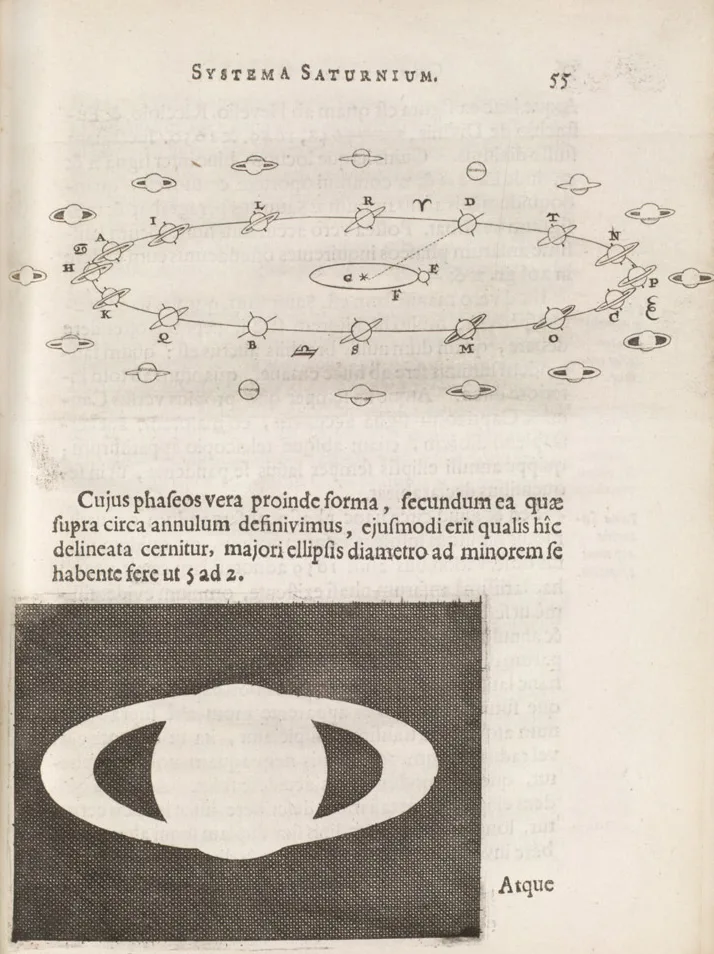
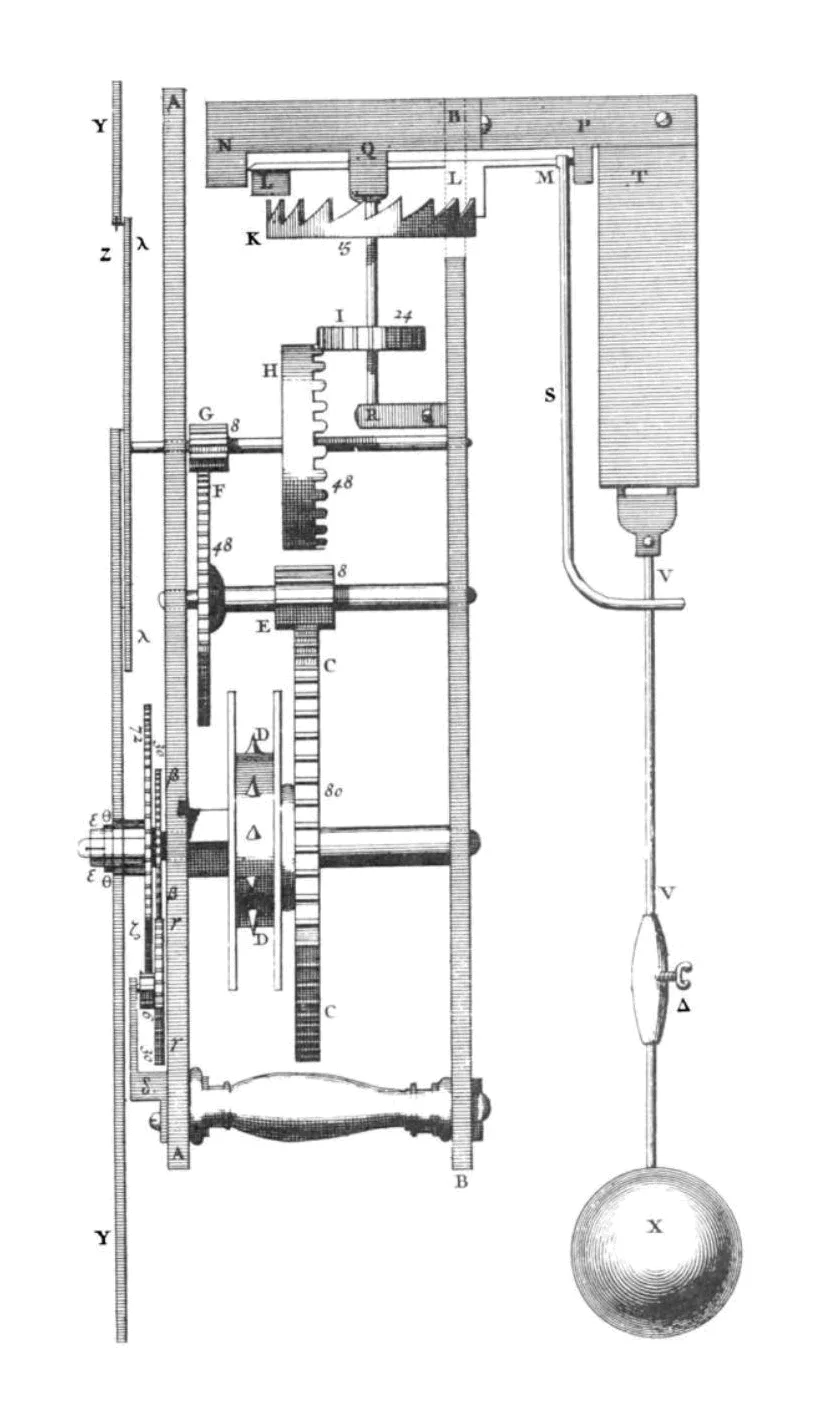
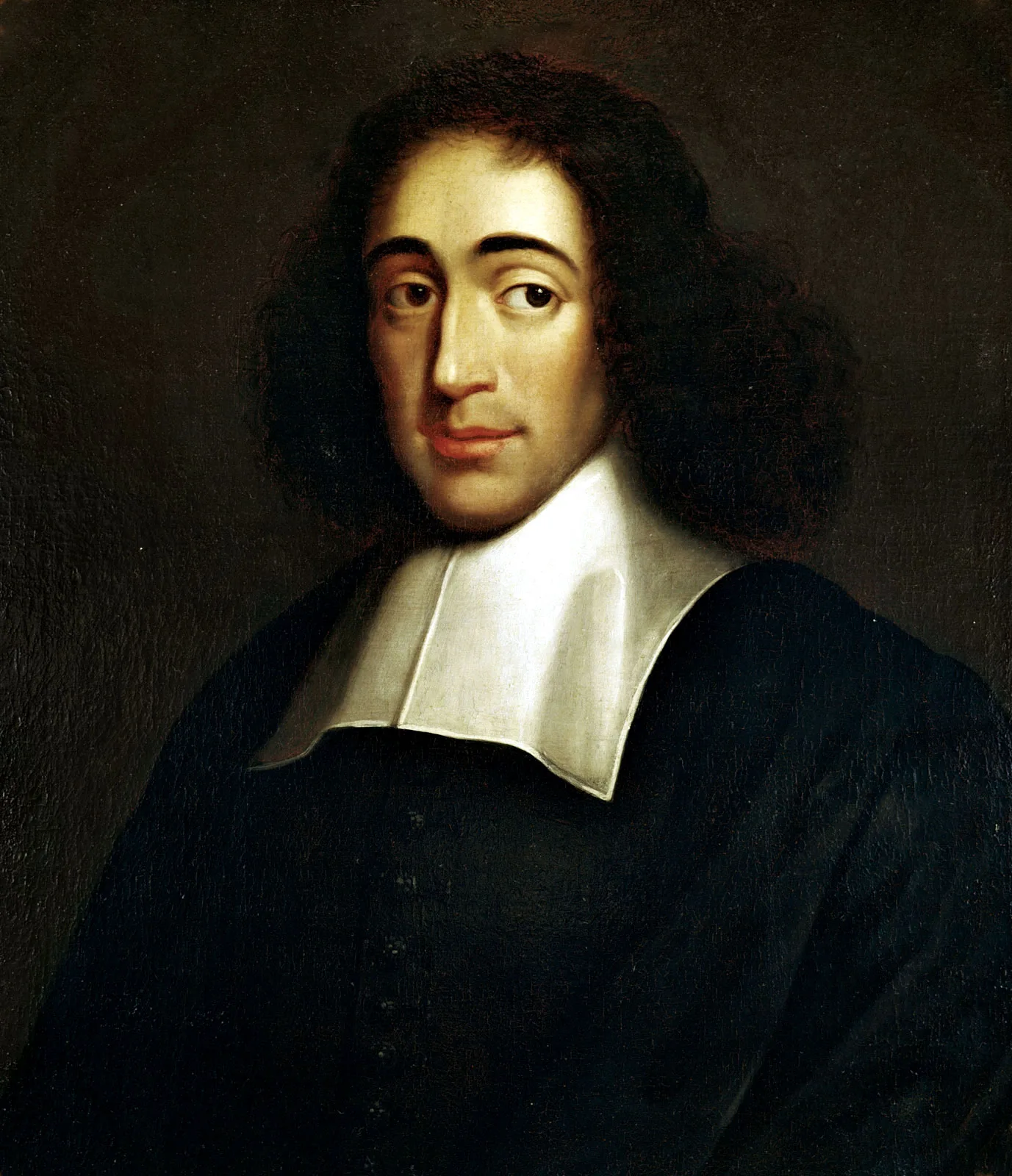
In February 1665, Christiaan Huygens lay sick in bed in The Hague. At thirty-five he had already worked out that Saturn wears a ring, and his pendulum clock kept better time than any machine built before it. Two of those clocks hung from a single wooden beam in his room, prototypes for a trial at sea. A fever leaves a man little to do but look at things, so for days he watched them.
The pendulums had started out of step and ended in perfect opposition, each swinging left as the other swung right. When Huygens disturbed one, the pair found each other again inside half an hour. Moving the clocks to separate supports broke the spell. In a letter to his father he called it a sympathy of clocks and blamed vibrations in the beam too faint for the eye to catch. He reported it to the Royal Society that March and went back to optics.1
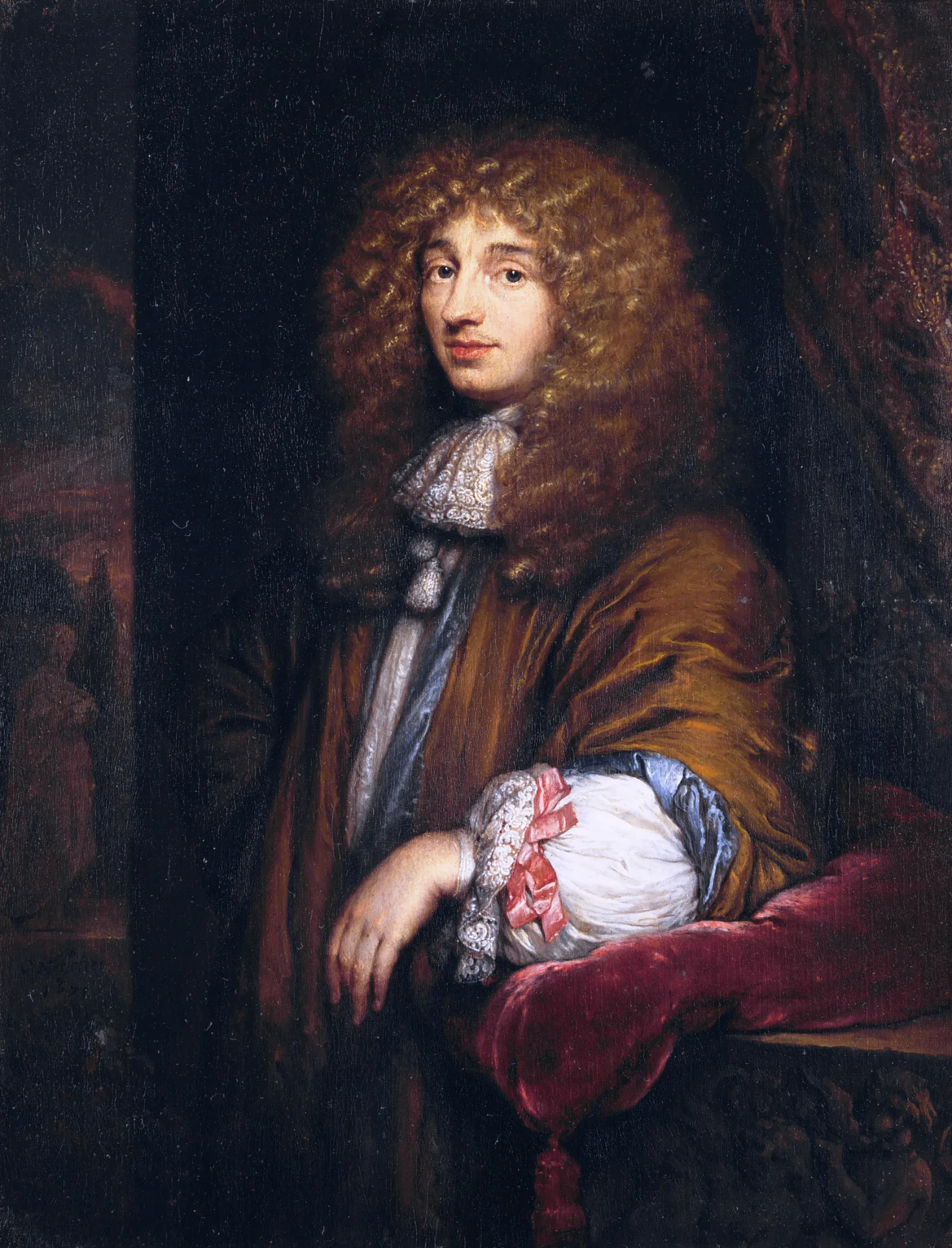
Caspar Netscher · 1671Christiaan Huygens
Painted six years after the winter he spent watching two of his own clocks agree on a rhythm nobody had set.
Historians count this as the first recorded case of spontaneous synchronization, two coupled systems falling into order with nobody in charge. Complexity science still uses it as a founding example. Huygens knew more about precision machinery than anyone alive, and he wrote the whole thing off as a curiosity. The mathematics that explains his clocks took until 1975 to arrive.
The shelf was already stocked
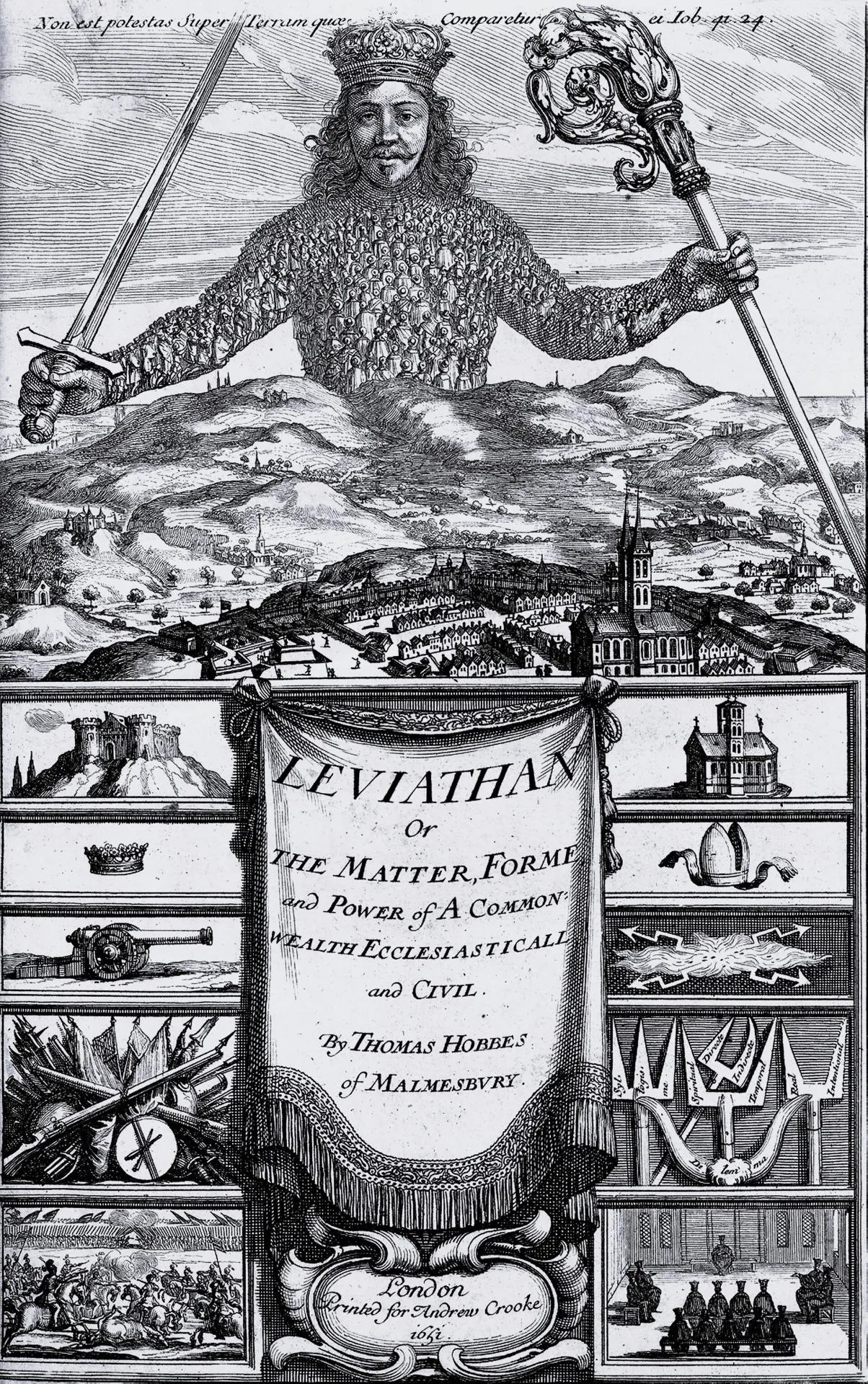
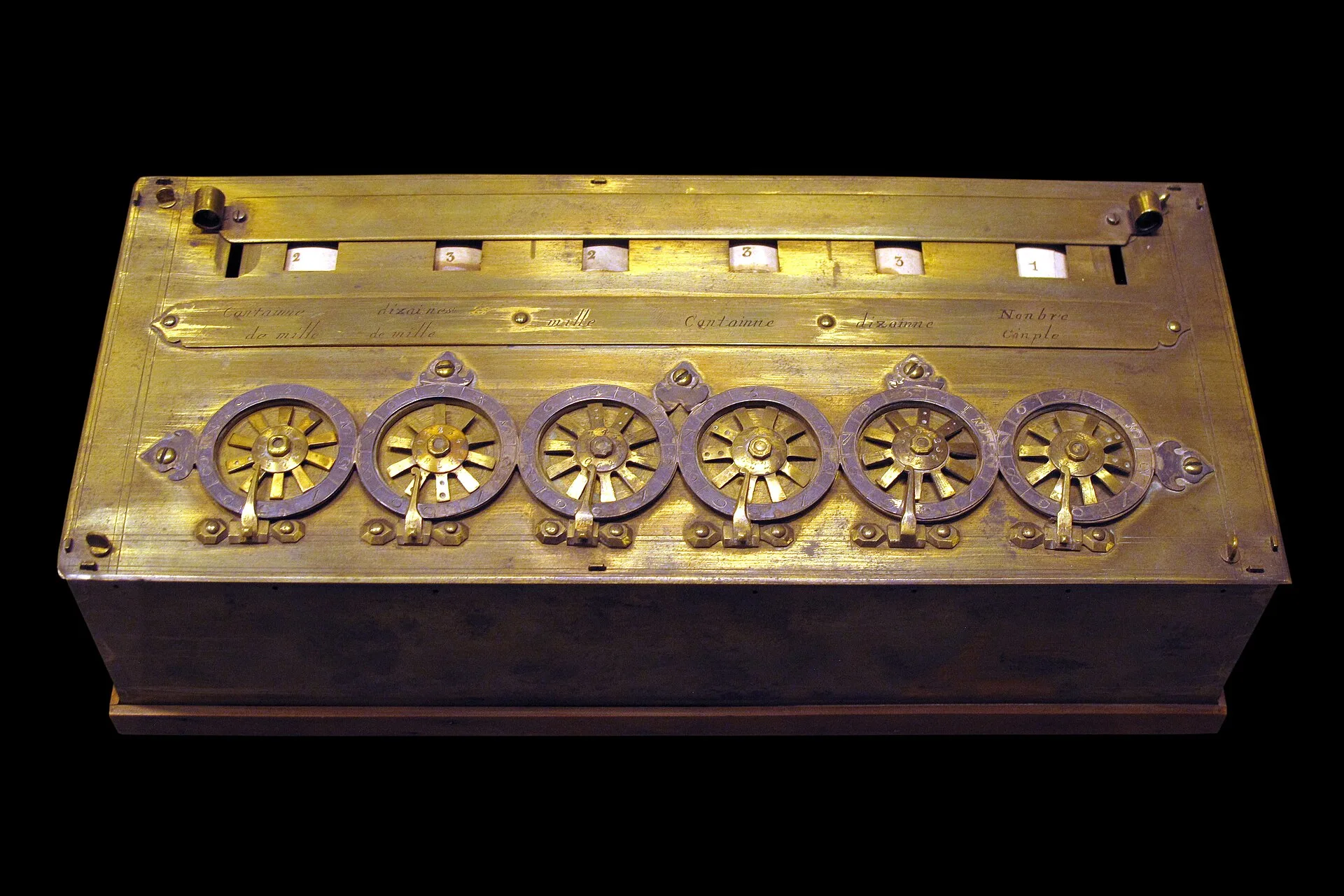
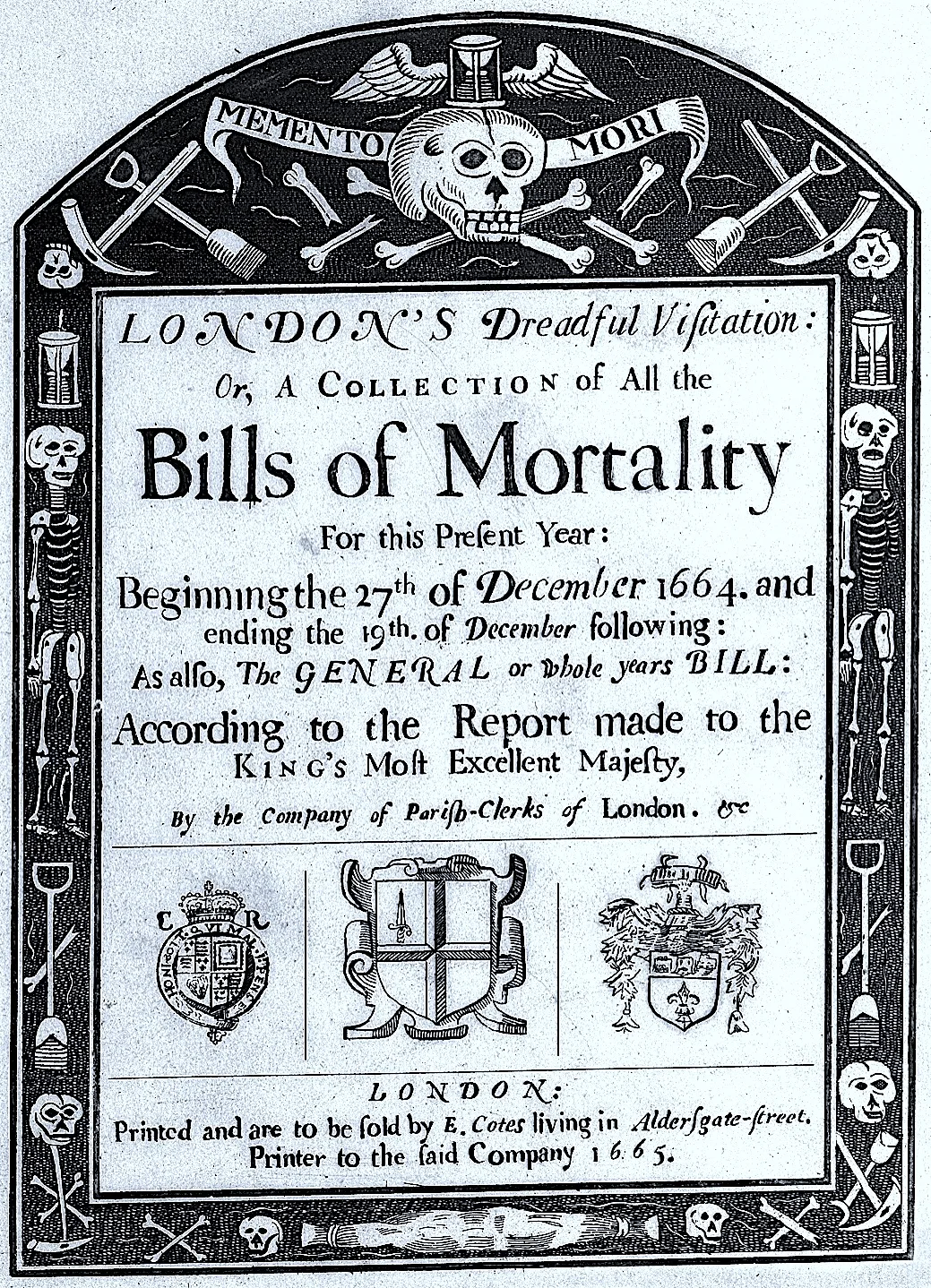
By the 1660s most of what an AI course opens with sat in plain view. Hobbes wrote in Leviathan, in 1651, that reasoning is “nothing but reckoning,” the adding and subtracting of thoughts, and every educated reader in Europe had an opinion about the book. Pascal was nineteen when he built a calculating machine in 1642. A gambling dispute led Pascal and Fermat to probability theory in 1654, and Huygens published its first textbook three years later. In 1662 John Graunt, a London haberdasher, went through the city's weekly death registers looking for patterns and founded statistics in the process.
1651Thomas HobbesArgued that thinking is a kind of arithmetic.
1642Blaise PascalBuilt a brass box that could add.
1657Christiaan HuygensWrote the first textbook on chance, two years before his book on Saturn.
1662John GrauntCounted London's dead and found patterns in the totals.
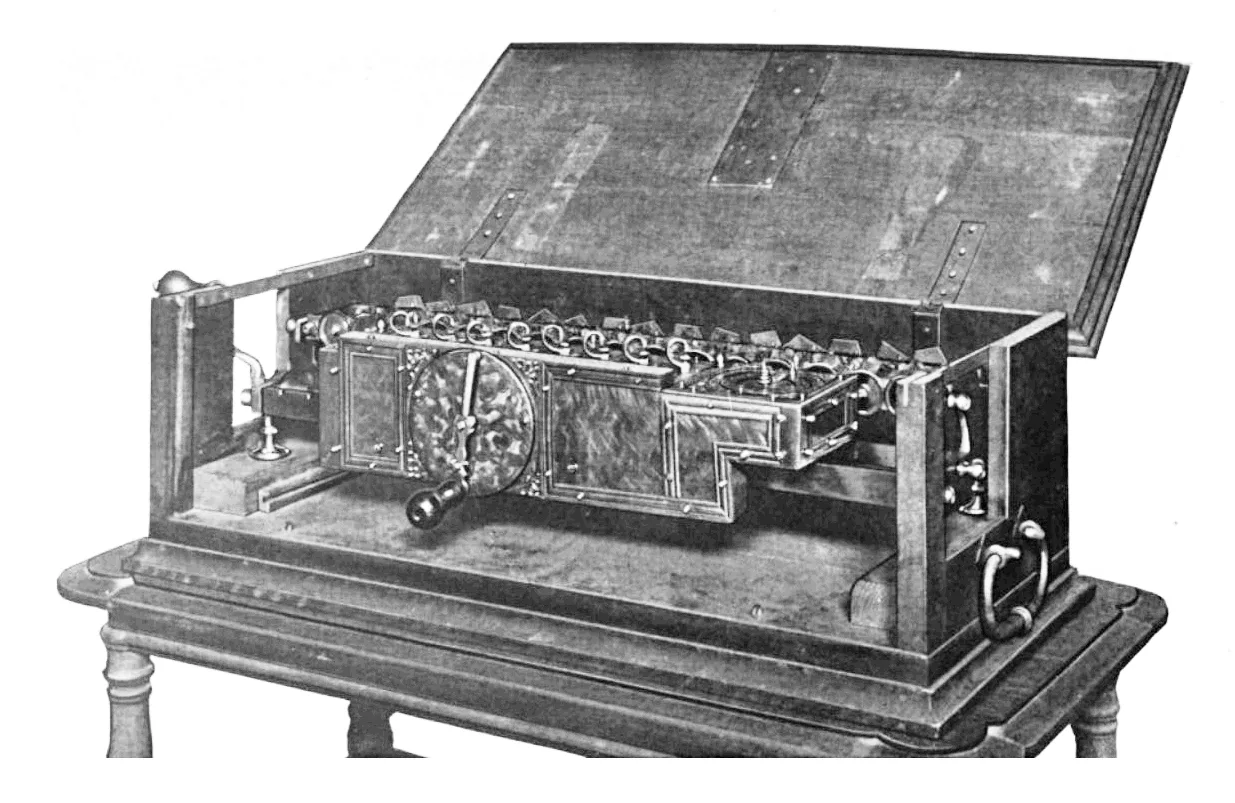
Leibniz came closest to putting the pieces together. In 1673 he showed the Royal Society his stepped reckoner, the first machine that could multiply. He spent much of his life on a universal symbolic language in which two philosophers could settle any dispute by sitting down and saying calculemus, let us calculate. In November 1676 he travelled to The Hague to spend several days talking with Spinoza, who had already folded the mind into nature and treated mental life as one more aspect of the substance that makes up matter.2 You can follow the paper trail from that visit all the way to a transformer model.
Gottfried Wilhelm Leibniz · 1673The Stepped Reckoner
It multiplied with a hand crank and jammed often enough that Leibniz kept tinkering with it for decades.
Why the clock won
The century's own success slowed everything down. Calculus arrived in the 1670s and 1680s and cracked planetary orbits and the flight of a cannonball. Problems like these are linear or close to it. The whole behaves like the sum of its parts, and a patient person with pencil and paper can solve them. After a generation of such wins, Europe came to picture the universe as a clock, wound once and running on rules anyone could write down.
Much of nature behaves otherwise. Its parts feed back on one another and change each other's rules as they go. Huygens' two clocks were a system of that kind, which is why his own equations could not touch them. Nonlinear problems give way to iteration: compute a step, feed the answer back in, and repeat it a million times. Nobody in 1665 owned a machine with that kind of patience, so the problem sat.
Poincaré breaks the clockwork
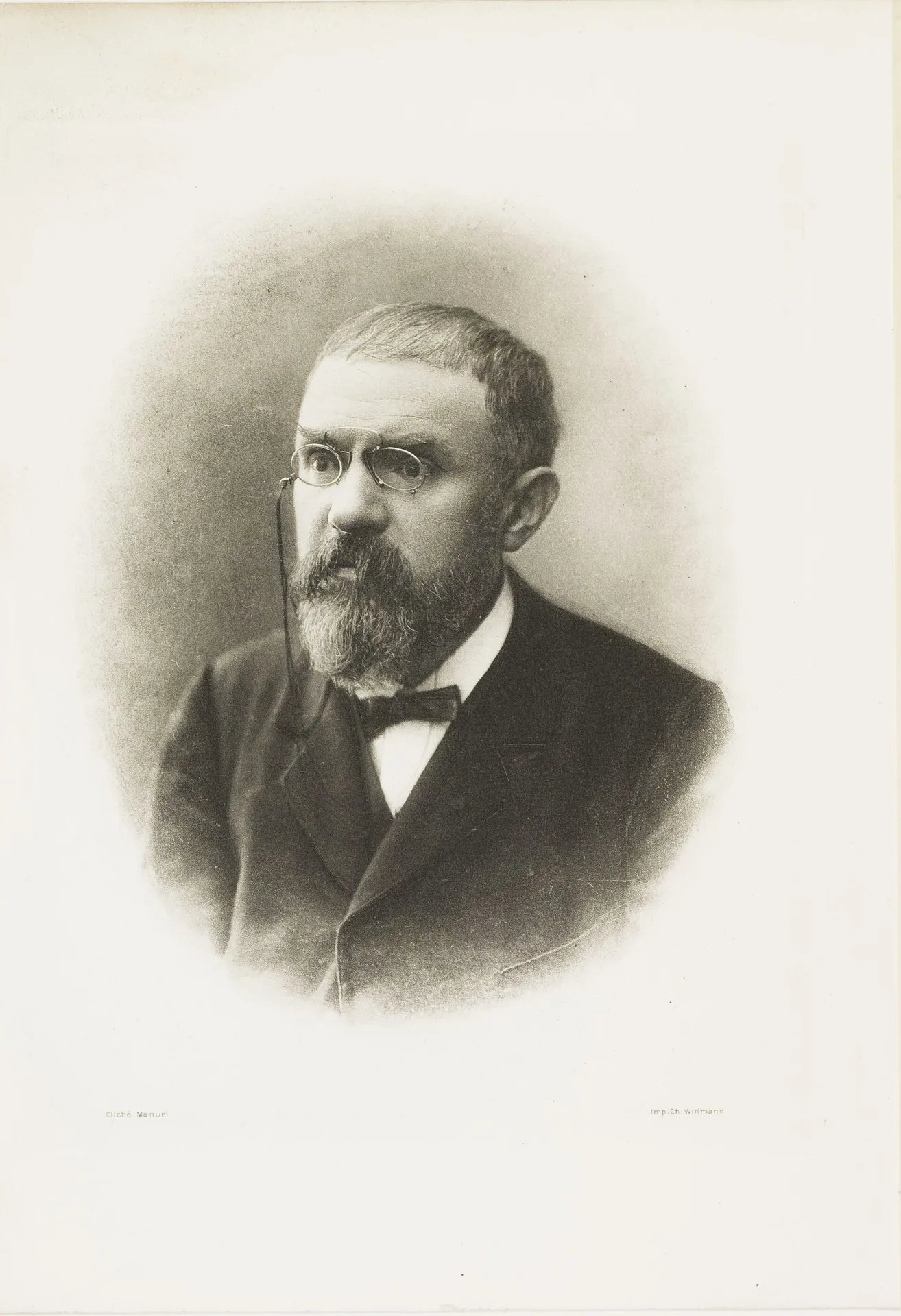
In 1889 Henri Poincaré won a prize set by the King of Sweden for work on whether the solar system is stable. Even three bodies under gravity, he showed, admit no general formula, and in the tangle of their orbits he found behavior so intricate he declined to try drawing it.
In 1961 the meteorologist Edward Lorenz restarted a weather simulation from a printout and typed 0.506 where the machine had stored 0.506127. Within a couple of simulated months the new weather had nothing in common with the old. His 1963 paper on sensitive dependence on initial conditions founded modern chaos theory.3
A burst of results followed in the 1970s. Robert May showed in 1976 that the simplest population equation a biology student meets tips from steady numbers into full chaos as one parameter is nudged upward. Mitchell Feigenbaum found that the tipping follows the same ratio, 4.669 and change, in systems with nothing else in common. Mandelbrot named the geometry in 1975: fractals. That same year Yoshiki Kuramoto published the equation Huygens never had, a solvable model of coupled oscillators that shows the exact moment a crowd of independent tickers snaps into shared time.
The experiment
Turn up the coupling
Every light in the scene keeps its own natural rhythm, the way a firefly or a pendulum clock does, and drifts a little toward the rhythm of the crowd. The slider sets how hard that pull is.
At low coupling the lights flicker at random. Push the slider past 0.8 and the crowd tips into unison while the coherence r climbs toward one. Kuramoto solved this transition exactly in 1975.
dθi/dt = ωi + K · r · sin(ψ − θi)
coherence r0.00
What the clocks were trying to say
With Kuramoto's result in hand, the same machinery turns up everywhere. Along riverbanks in Thailand, thousands of fireflies flash in unison, each one obeying a rule short enough to fit in a sentence: if a neighbor flashes first, flash a little sooner next time. Pacemaker cells in the heart keep time the same way, and so do the neurons whose rhythms let you read this page.
Scientists call this emergence. Simple rules and dense coupling at the bottom produce capable behavior at the top, and nothing anywhere holds a blueprint of the whole. In 1943 McCulloch and Pitts showed that networks of idealized neurons can compute anything logic can express. Rosenblatt's perceptron was learning from examples by 1958, and backpropagation made deep networks trainable in the 1980s. By the 1990s the theory was in decent shape and still waiting, as Huygens had, for a machine patient enough to run it at scale.
A fever leaves a man little to do but look at things.
The Hague, 1665
The patience machine finally shows up
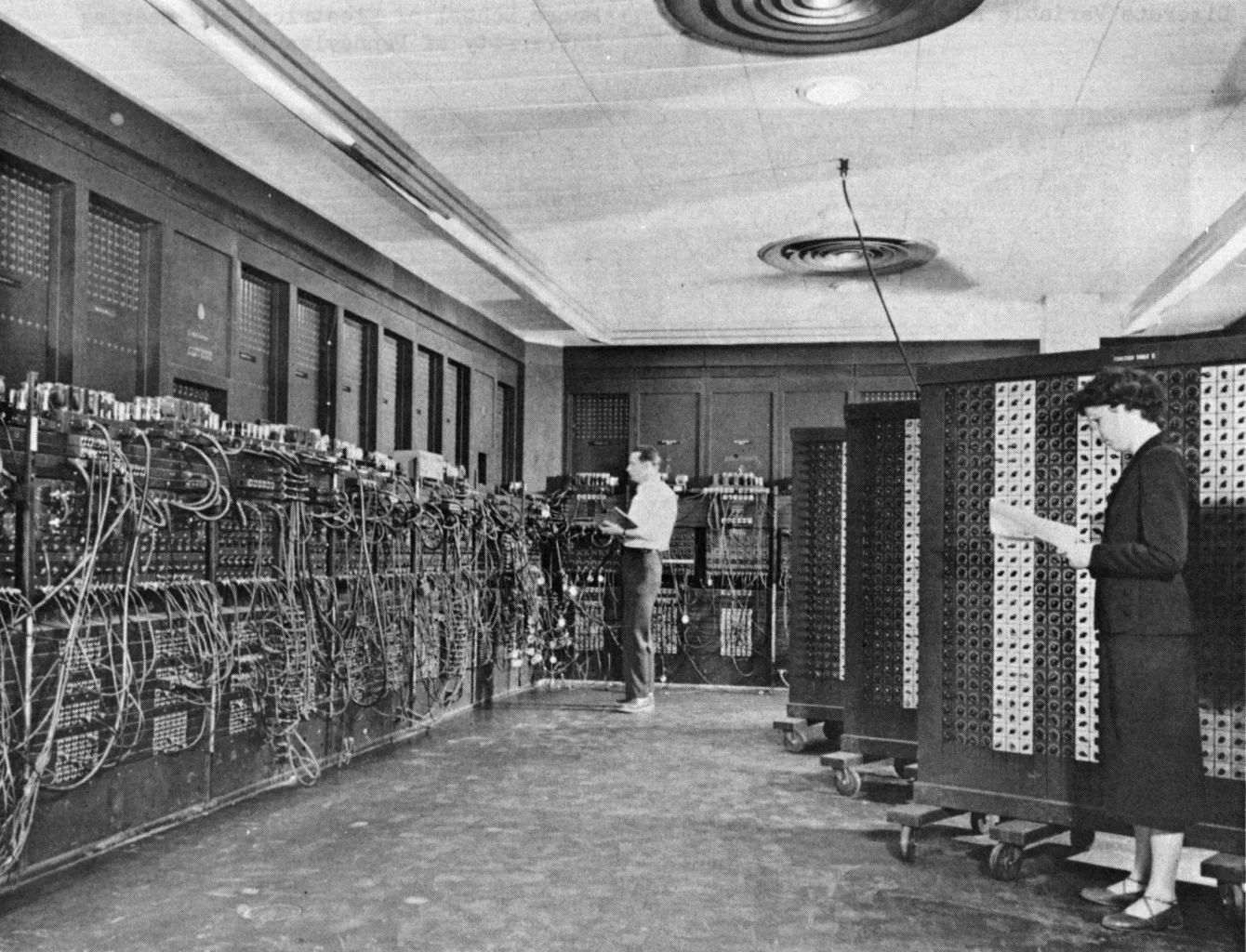
ENIAC, unveiled in 1946, did 357 multiplications a second with eighteen thousand vacuum tubes and drew as much power as a small neighborhood. The transistor came a year later. Integrated circuits followed in the late 1950s, a whole processor fit on one chip by 1971, and for fifty years the number of transistors on a chip doubled about every two years.
Ballistic Research LaboratoryENIAC
Glen Beck and Betty Snyder at the machine that made a few hundred multiplications a second feel like the future.
Video games supplied the next turn. Drawing a 3D scene sixty times a second means recalculating millions of points and pixels in parallel, so graphics cards grew into machines built to multiply large matrices fast. Nvidia opened that hardware to general computing in 2007. Five years later two Toronto students trained a deep neural network on a pair of consumer gaming cards and won the ImageNet vision competition by a margin nobody in the field had seen before.4
The transformer arrived in 2017. Under the vocabulary it is matrix multiplication arranged so that every token in a sequence can attend to every other, and graphics silicon runs that arrangement well. Architecture and hardware locked together the way Huygens' pendulums did. One modern AI chip now performs about two thousand trillion low-precision multiplications every second. Out of multiplication at that scale came the emergence this whole lineage had been pointing toward, systems that write and plan even though no single part of them understands anything.
Filing things under curiosity has a price
I open AI sessions with this story because of how long it took to end. The best-equipped mind in Europe watched something new happen on his own wall, gave it a lovely name and went back to problems he could solve. The observation was sound, and Huygens filed it under curiosity, where it stayed for three centuries.
Plenty of companies are running the 1665 experiment again right now. A working demonstration of machine intelligence hangs on the beam, people gather round and agree it is fascinating, and the pilot gets a lovely name. The three hundred years live in the distance between that moment and the day the work changes.
The tools have caught up with the observation.
Huygens saw it from his bed in 1665, centuries before anyone had the equipment to act on it.
The timeline
From the beam to the chip
1642
Pascal builds a calculating machine
He was nineteen.
1651
Hobbes: reasoning is reckoning
Leviathan argues that thinking is a kind of arithmetic.
1654
Pascal and Fermat invent probability
A gambling dispute turns chance into mathematics.
1662
Graunt founds statistics
London's death registers become data.
1665
Huygens sees the sympathy of clocks
Two pendulums on one beam fall into step, and he files it as a curiosity.
1673
Leibniz demonstrates the stepped reckoner
The first machine that multiplies, shown in London.
1676
Leibniz visits Spinoza in The Hague
Several days of talk with the philosopher who put the mind inside nature.
the trail goes quiet for214 years
1890
Poincaré breaks the clockwork
Three bodies under gravity turn out to have no general solution.
1943
McCulloch and Pitts model the neuron
Networks of simple units can compute anything logic can.
1946
ENIAC is unveiled
357 multiplications a second.
1963
Lorenz publishes the butterfly
A rounded number sends a simulated sky somewhere new.
1975
Kuramoto solves the clocks
An exact model of coupled oscillators, the same year Mandelbrot coins the word fractal.
2012
Deep learning on two gaming cards
AlexNet wins ImageNet and the scaling era begins.
2017
The transformer
Attention built from matrix multiplication, which graphics chips run fast.
Now
Emergence on purpose
Models whose abilities come from billions of simple interactions.
Notes
Huygens described the effect in letters to his father in February 1665 and in a report read to the Royal Society that March. Bennett, Schatz, Rockwood and Wiesenfeld published a modern analysis of the two-clock system in 2002 and confirmed his explanation about vibrations in the beam. ↑
Spinoza's Ethics circulated in manuscript during his lifetime and appeared in print in 1677, months after his death. Antonio Damasio's Looking for Spinoza (2003) makes the case for him as an ancestor of modern neuroscience. ↑
Edward Lorenz, “Deterministic Nonperiodic Flow,” Journal of the Atmospheric Sciences, 1963. The butterfly entered through the title of his 1972 talk: “Does the Flap of a Butterfly's Wings in Brazil Set Off a Tornado in Texas?” ↑
Krizhevsky, Sutskever and Hinton, “ImageNet Classification with Deep Convolutional Neural Networks,” 2012. AlexNet trained on two Nvidia GTX 580 gaming cards and reached a top-5 error of about 15 percent, against 26 percent for the runner-up. ↑
Film narrationKokoro neural voice (af_heart)
ScoreOriginal, composed for the film
Christiaan HuygensCaspar Netscher, 1671 · public domain
The Philosopher in MeditationEngraving after Rembrandt · public domain
View of The HagueRijksmuseum SK-A-4870 · CC0
London's Dreadful VisitationBills of Mortality, 1665 · public domain
Huygens clock replicationH. M. Oliveira & L. V. Melo · CC BY 4.0
Leviathan frontispieceAbraham Bosse, 1651 · British Library · CC0
The PascalinePhoto by Rama · CC BY-SA 3.0 FR
Leibniz, Spinoza, PoincaréPortraits · public domain
Stepped Reckoner, ENIACPublic domain
Systema Saturnium, pendulum clockChristiaan Huygens · public domain