Ways of Seeing
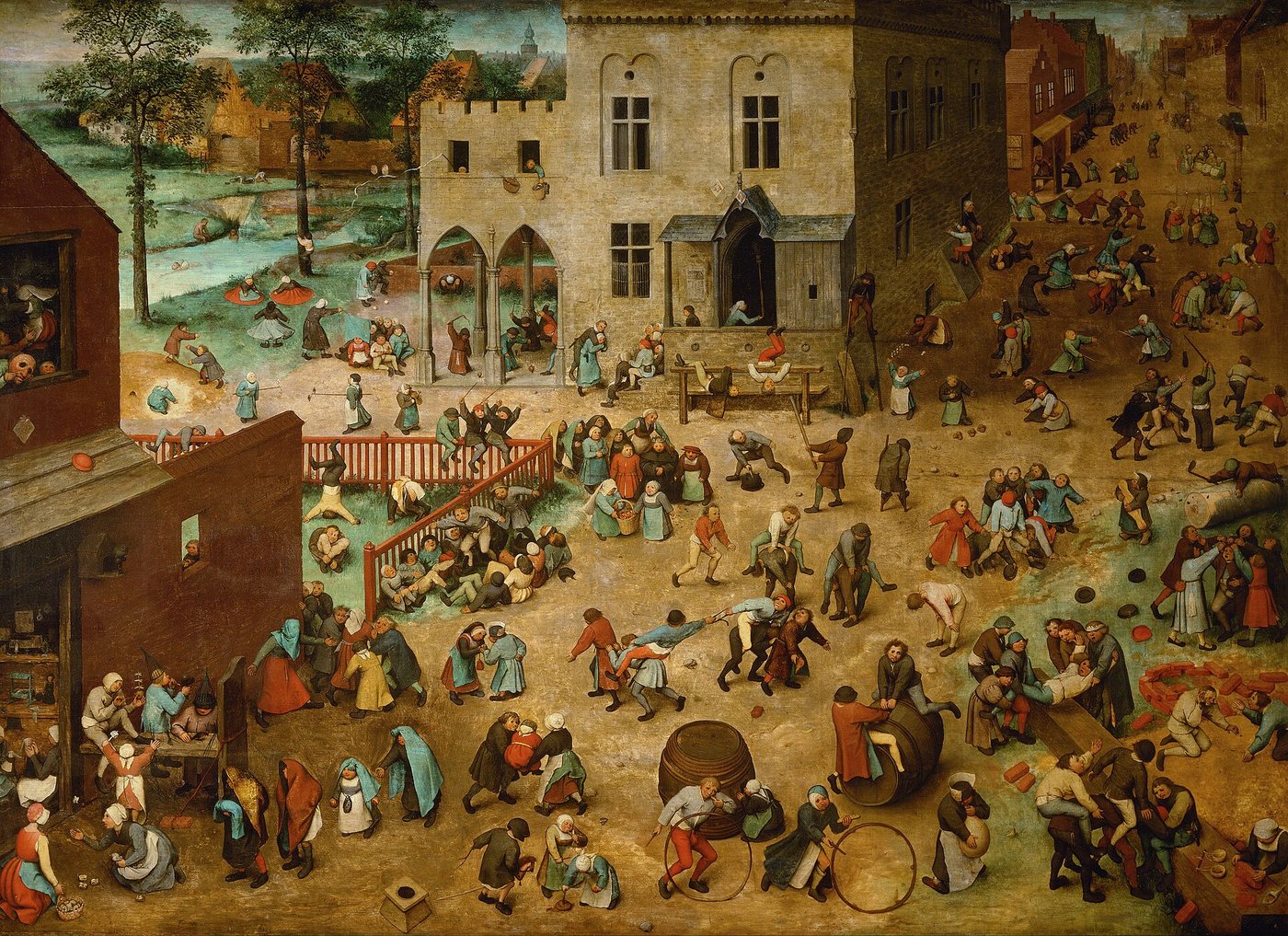
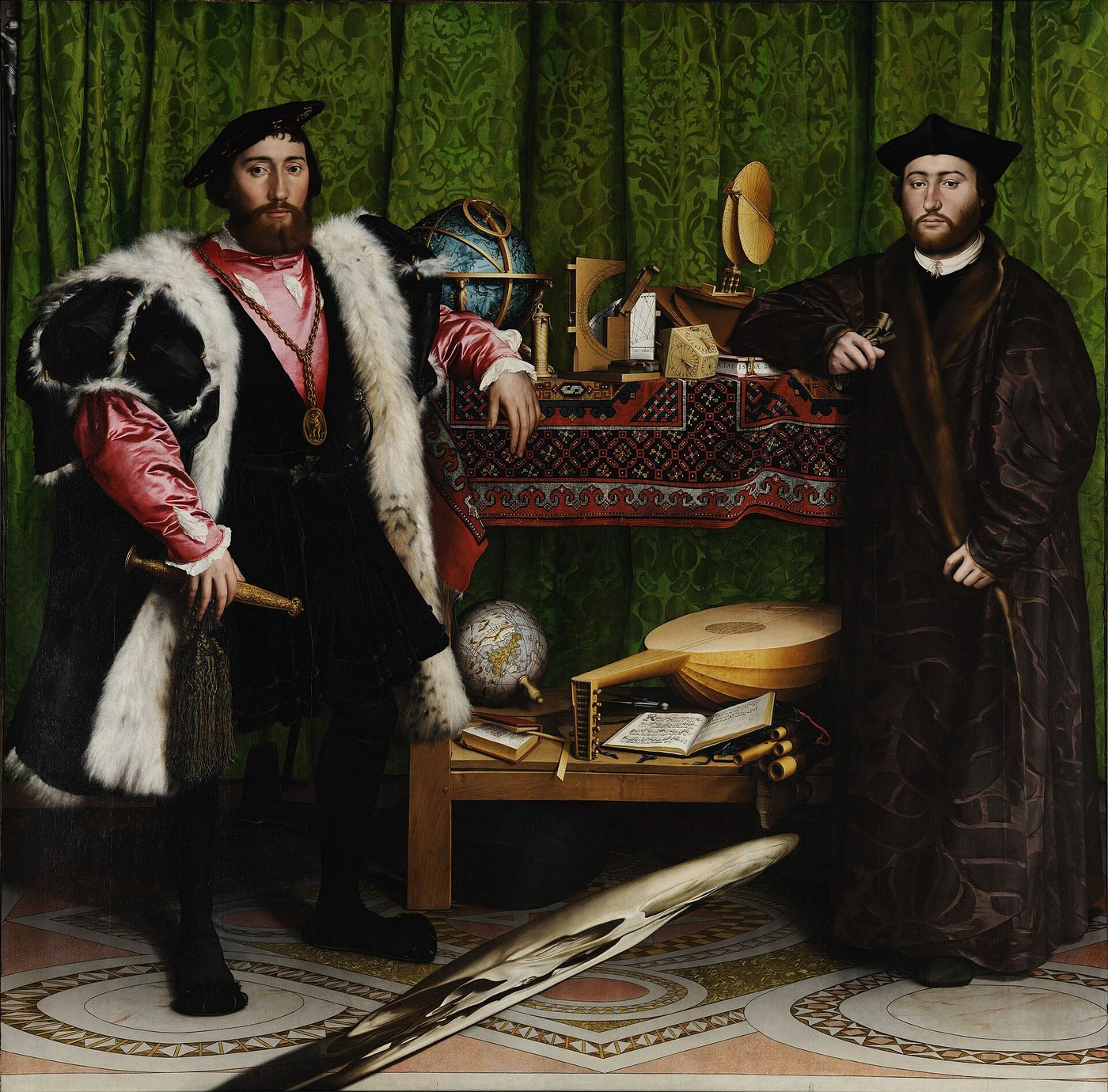
John Berger on paintings, and why a polished AI answer earns more trust than it should.
Read moreIdeas across time · Reading Notes
What I took away from the books and papers that changed my mind about something.
At the reading desk
Short notes on books and papers, most of them older than the computer, read with AI agents in mind.
John Berger on paintings, and why a polished AI answer earns more trust than it should.
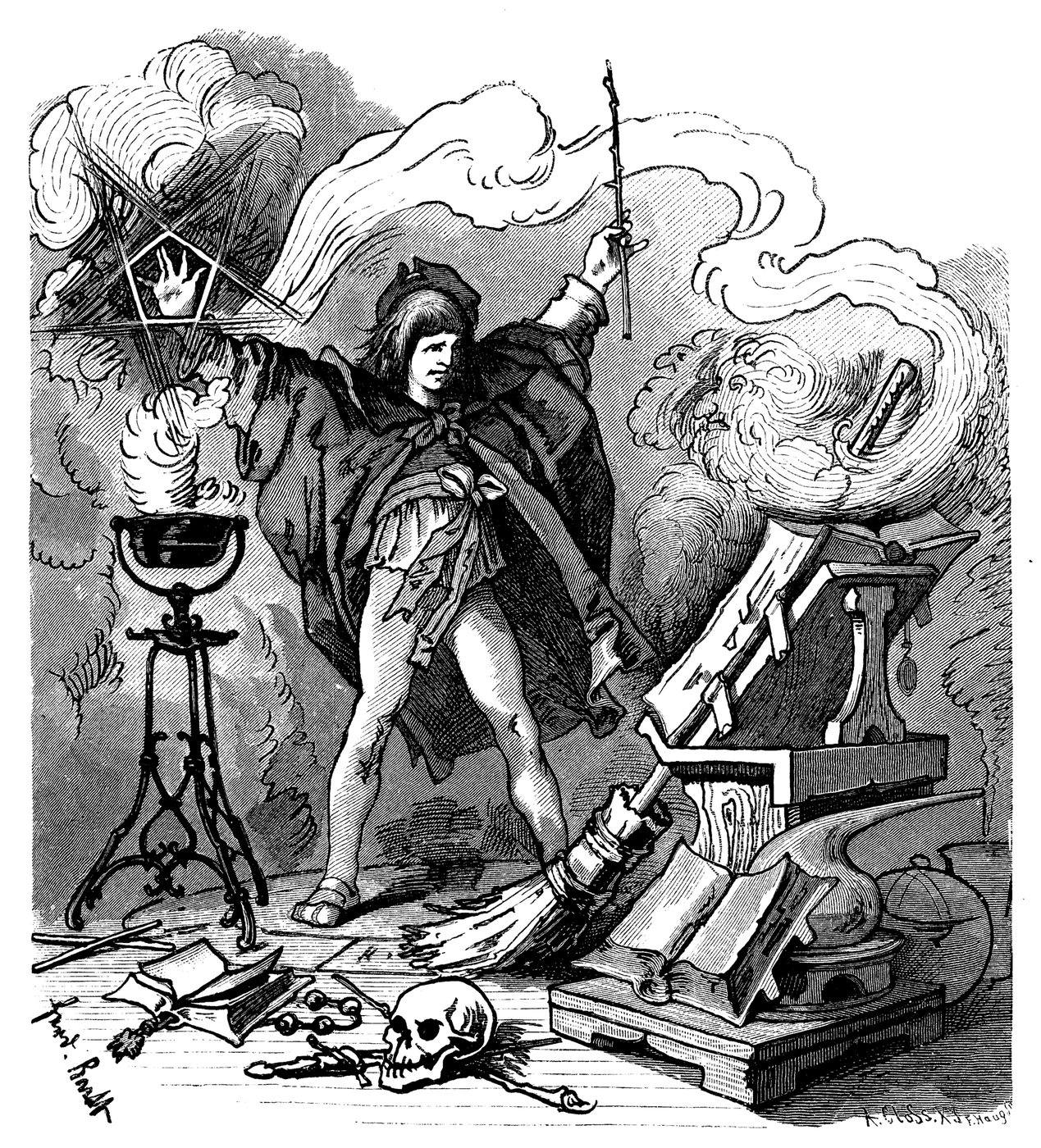
Read moreGoethe’s ballad of 1797, and the word for stopping that the apprentice never learned.
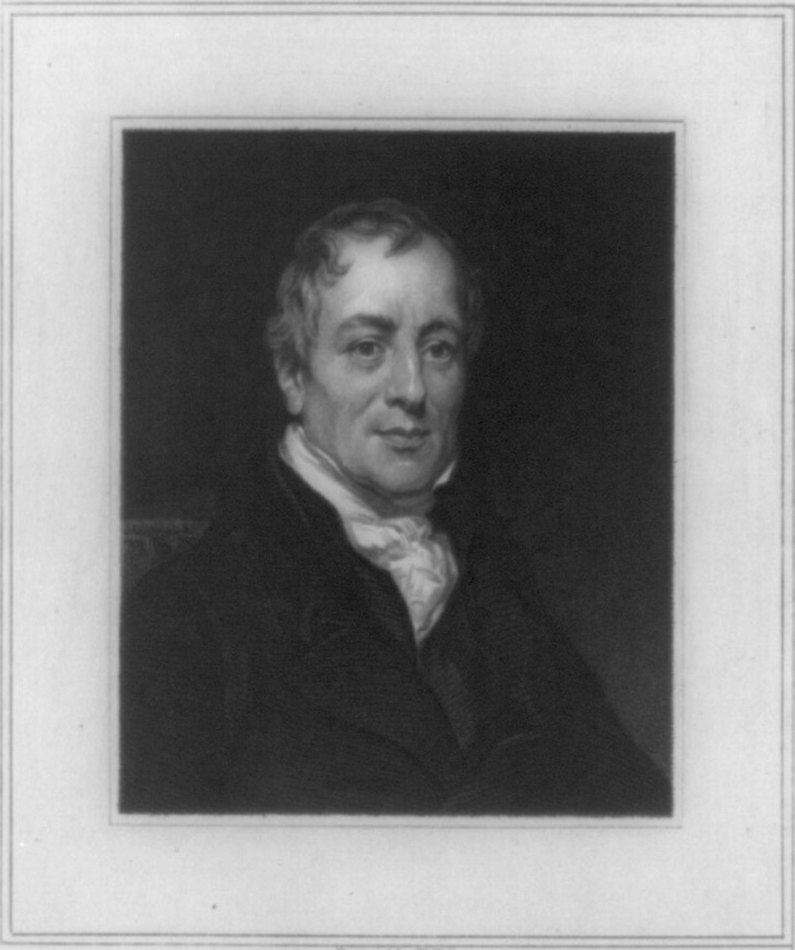
Read moreDavid Ricardo changed his mind about machines in print, in 1821, and left the old opinion standing next to the new one.
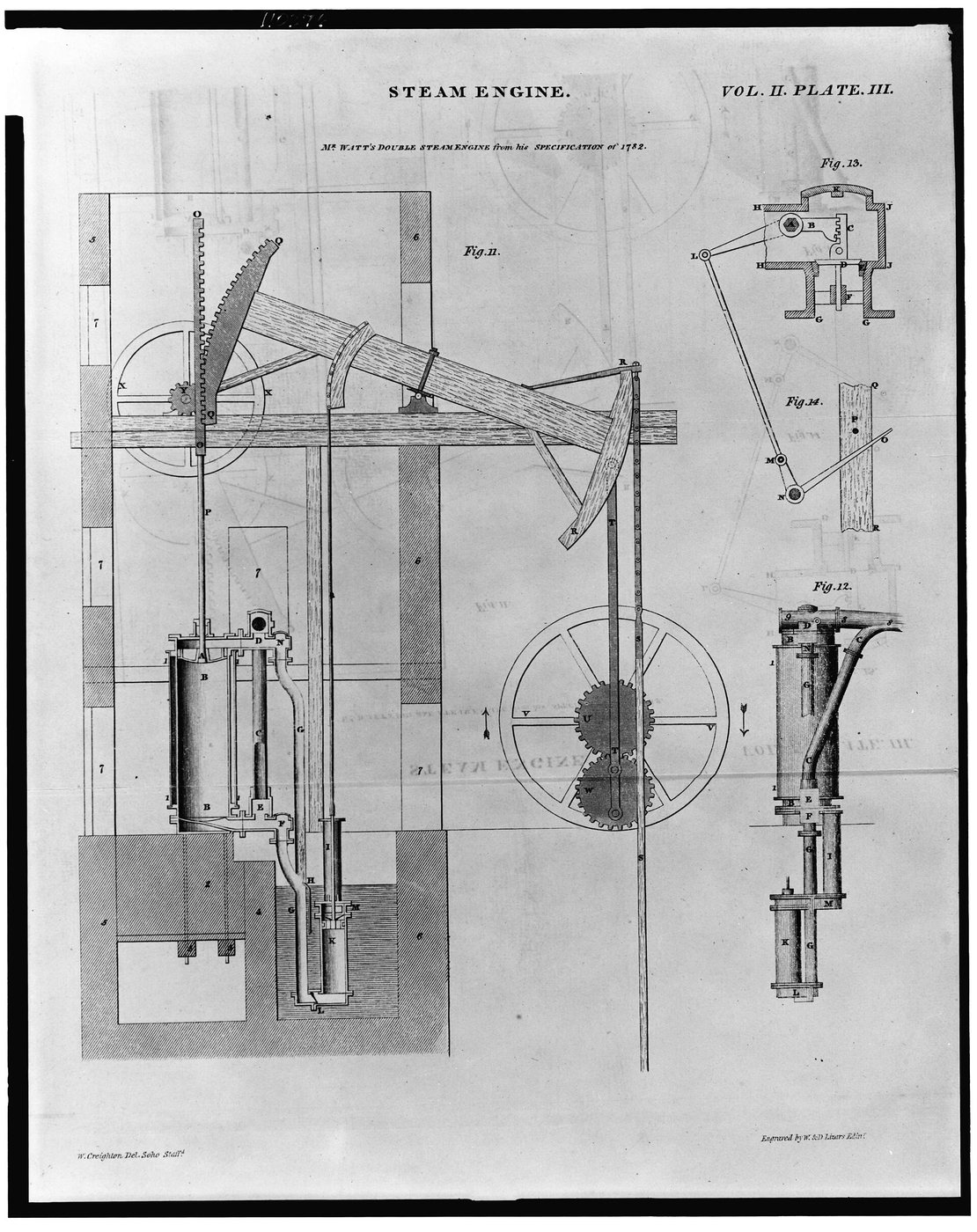
Read moreWilliam Stanley Jevons, 1865, on why a more efficient engine burns more coal.
Read moreRonald Coase asked in 1937 why firms exist at all. AI agents reopen his question.
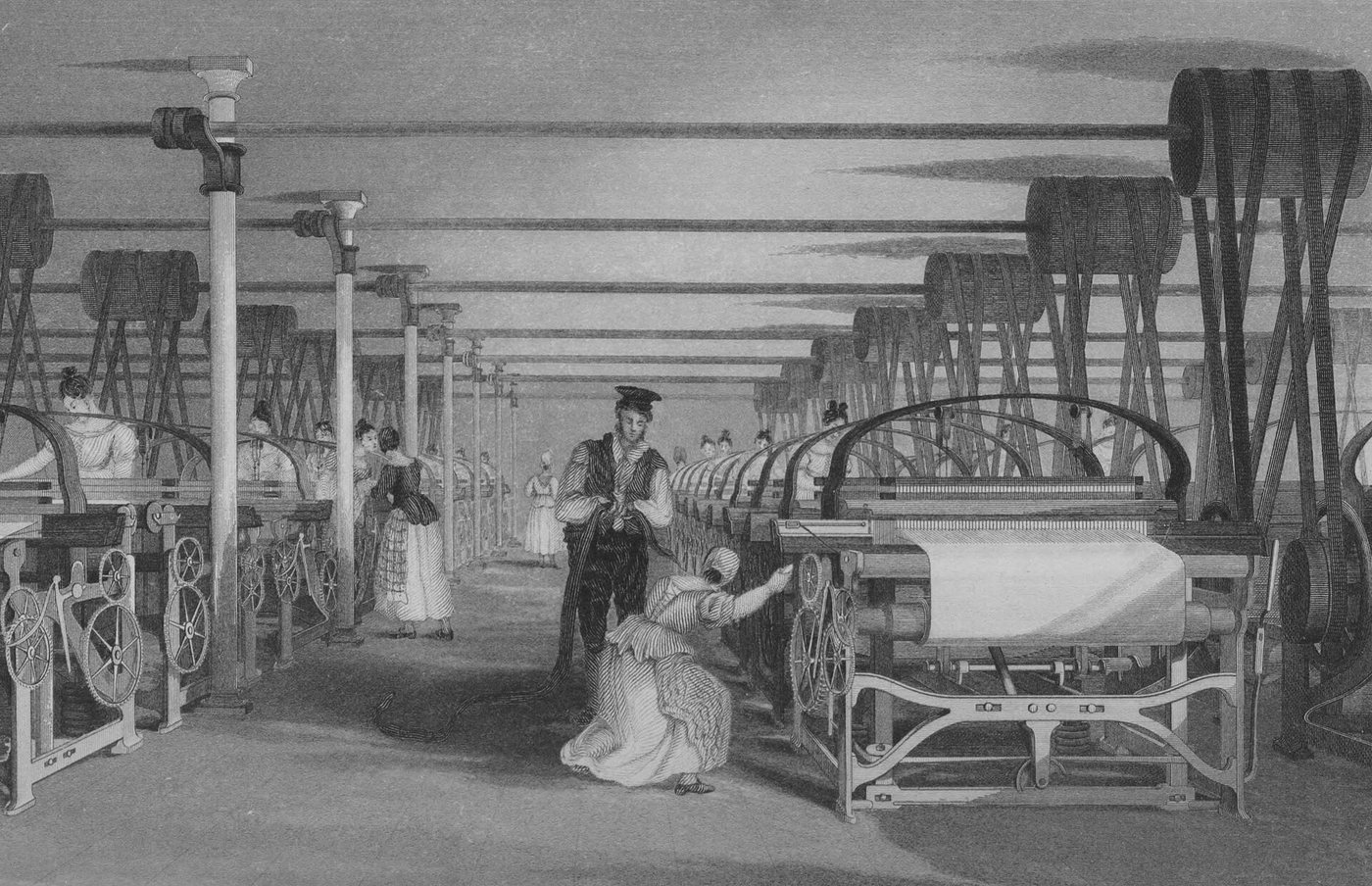
Read morePaul David, 1990, on why electricity took forty years to show up in the productivity numbers.
Read moreJames C. Scott on scientific forestry, and the work a dashboard leaves out.
Read moreHerbert Simon’s ant on the beach, and where an agent’s complicated behaviour comes from.
Read moreBorges’s one-paragraph story about a map the size of the empire it describes.
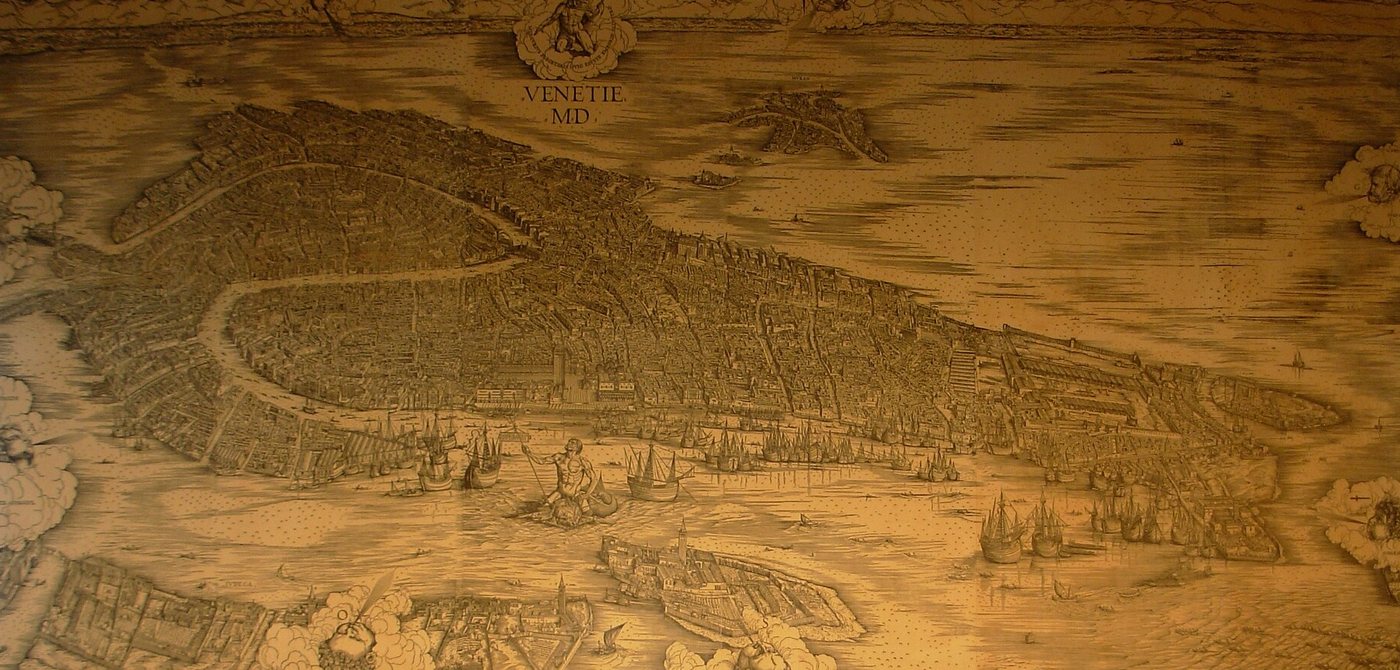
Read moreItalo Calvino’s Marco Polo describes fifty-five cities to Kublai Khan, and each of them is partly Venice.
Read moreThorstein Veblen, 1899, and the hand-made spoon that costs more because someone made it slowly.
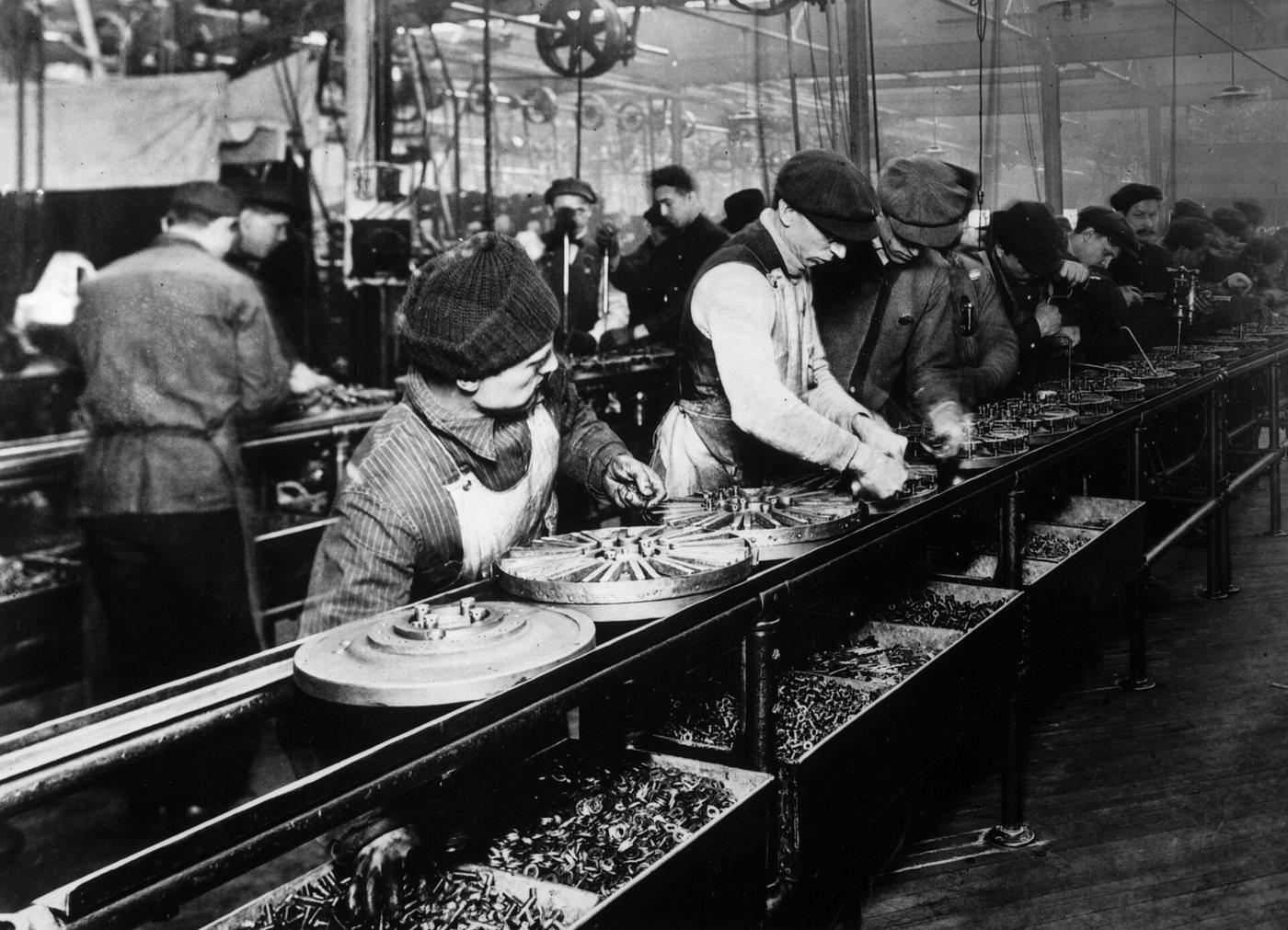
Read moreJoseph Schumpeter, 1942, on creative destruction and the new kind of organization.
Read moreCarlota Perez on the bubble that pays for each technological revolution, and the turning point after it.
Read moreJohan Huizinga, a Dutch historian, argued in 1938 that play is older than culture.
Read moreGuy Debord on a life lived through images, read again in a year of synthetic media.
Read moreOn screen
Short films, some with an essay attached. Most were made for a room full of people and a big screen.
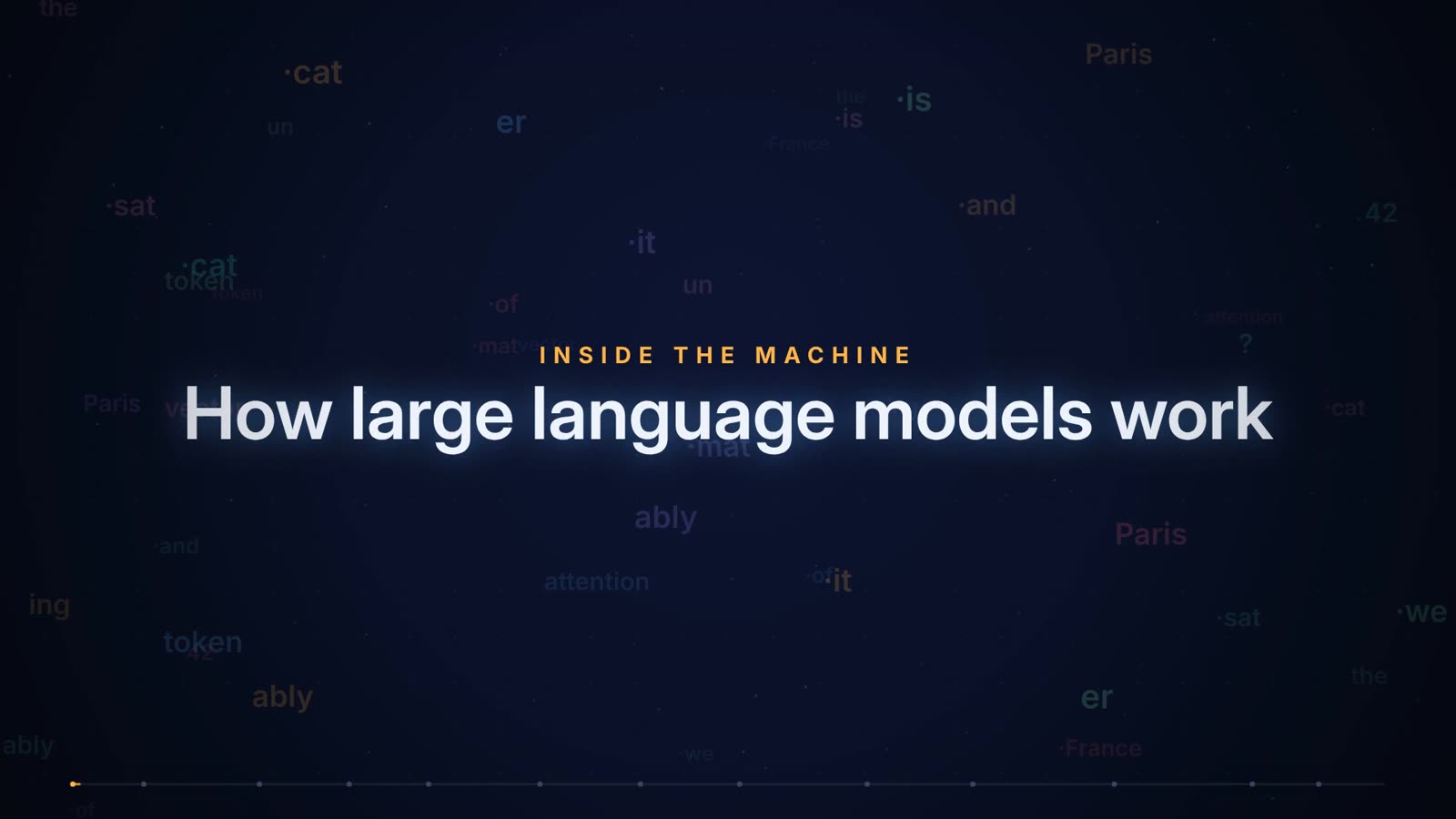
Film · 11:01 · How a language model works
An animated explainer that follows one question into a large language model, from tokens and attention to the next word out, then traces how the field moved from the first ChatGPT to the reasoning models of 2025.
Thirteen chapters with captions. Pick one from the reel under the player to jump straight in.
Watch the filmFilm · 6:20 · Essay and experiment
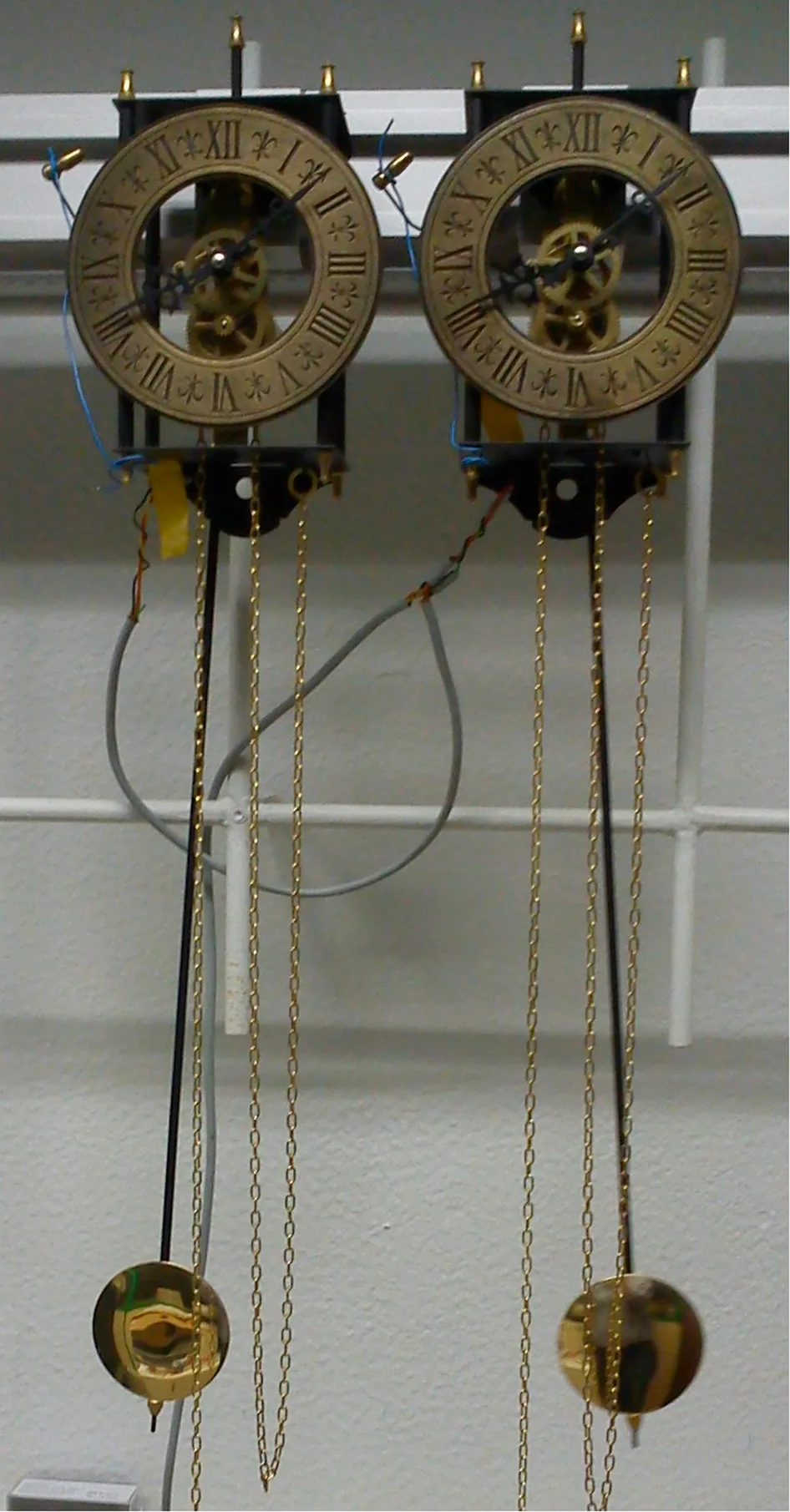
What a feverish Dutch scientist saw in his sickroom in 1665, and why it took three centuries for anyone to build on it.
I made it to open an AI keynote. Watch it full screen with the sound up.
Watch the filmIn conversation with
15 published pieces that start from someone else’s work: a novel finished over Christmas, a research paper, an old fable, a lecture or a report.
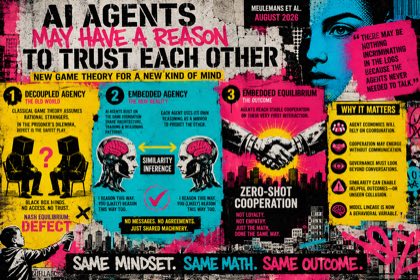
On a paper led by Alexander Meulemans: why foundation-model agents may cooperate in a one-shot Prisoner’s Dilemma, and what that means for large populations of agents.
The agentic enterprise
There is an old Greek storyteller named Aesop (you may remember the tortoise and the hare) whose genius had nothing to do with animals.
Work, economy & the future
In the span of a few days in late February 2026, two documents landed in the financial and technology discourse with sharply…
Work, economy & the future
Over Christmas, I finished Upgrade by Blake Crouch and hit that familiar wall: the story ends, you want more, but there’s no sequel.
Ideas & culture
Ideas & culture
Their internal study of 132 engineers reveals something we need to start accounting for in our business cases: 27% of AI-assisted…
Work, economy & the future
For years, the conversation in boardrooms and tech conferences has revolved around the same big question: will AI replace human workers?
Work, economy & the future
Two days ago, Seth Godin wrote a piece I particularly enjoyed called ‘The Writer’s Room’.
Ideas & culture
I just read the paper ‘Genius on Demand: The Value of Transformative Artificial Intelligence’.
Work, economy & the future
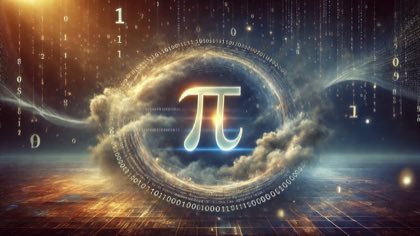
Today is March 14th—Pi Day, a celebration of the most famous irrational number in history. Pi is a mathematical constant, an unbroken thread that runs through geometry, physics, and even the algorithms that drive AI.
Ideas & culture
In a recent Bloomberg article, "AI Will Upend a Basic Assumption About How Companies Are Organized," ( https://www.bloomberg.com/news/articles/2025-02-28/how-ai-reasoning-models-will-change-companies-and-the-economy ) a…
Work, economy & the future
We’re standing at the edge of a technological revolution, and artificial intelligence (AI) is at its heart.
Work, economy & the future
What the idea of liminality can teach data and AI leaders about working between an established order and one that has not yet taken shape.
Ideas & culture
In a study published by Eloundou et al. it is predicted that 80% of the U.S. workforce will have at least 10% of their work affected by #AI . This impact is increasingly impacting white collar jobs - the work of knowledge workers.
Work, economy & the future
“Better questions lead to better worlds.”Dinand Tinholt