Physical AI and oversight
Pakhuis
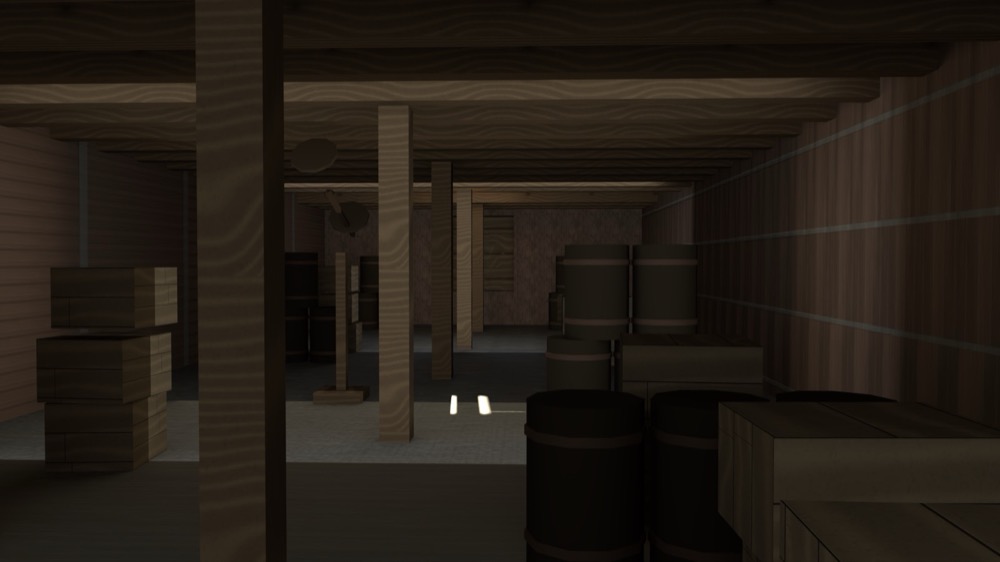
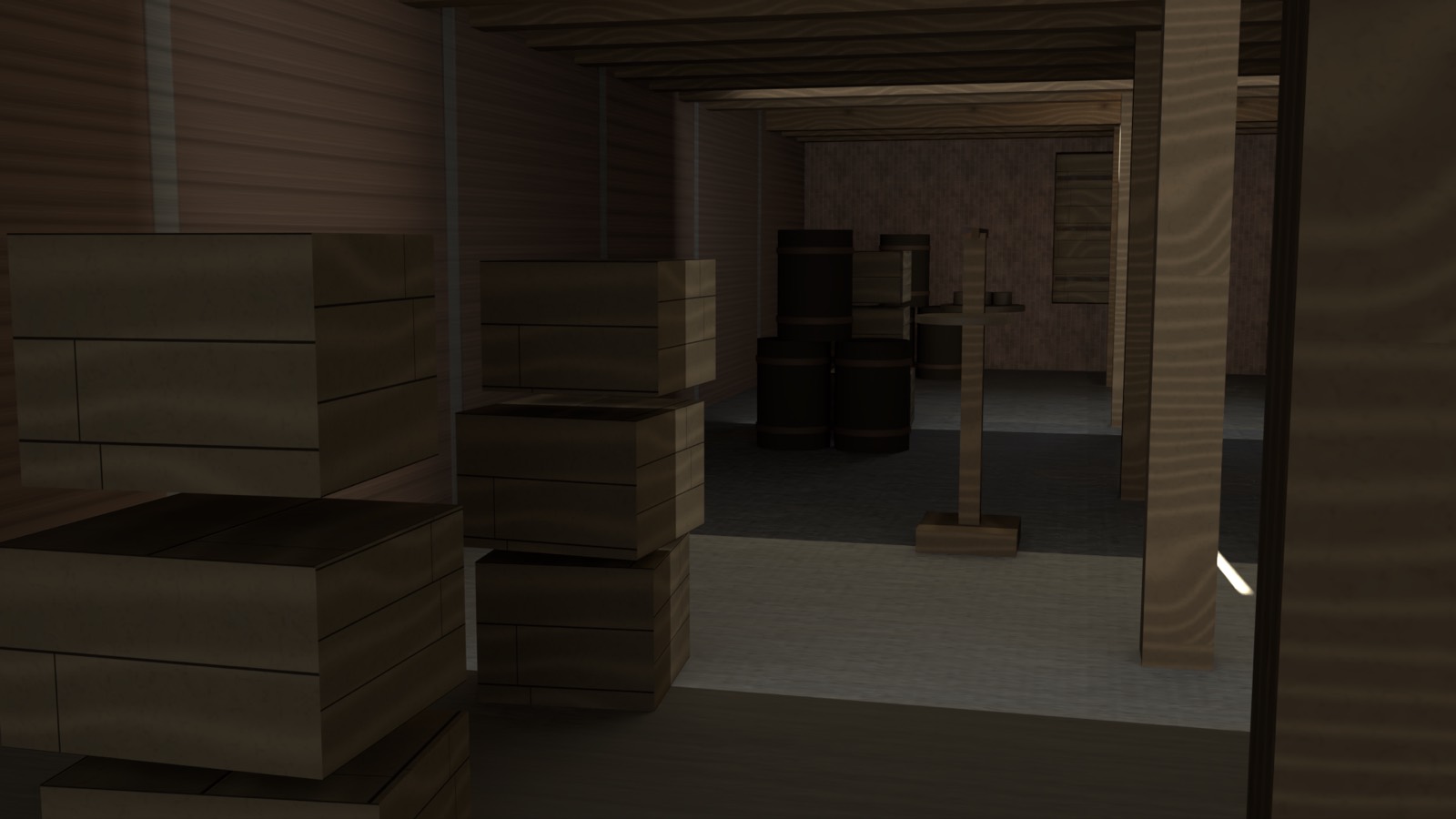
A seventeenth-century Amsterdam canal warehouse, built in simulation, where two robots count stock and a reviewer decides what reaches the record.
The question behind the system
When a human reviews a robot's work before it counts, how far does the robot roll and how long does it stand still while it waits?
What it is designed to do
- Price human review of robot work in seconds and metres, with every posted number scored against simulator ground truth
- Check a vision model's stated confidence against the objects it recognises
- Campaign
- 3 policies × 3 reviewer rates, registered before launch
- Scope
- Two Nova Carter robots, one deck, 11 or 12 counted locations
- Per run
- Every count, verdict and halt event logged
- Bench
- Oversight bench, 9 registered cells
What it found
With every count reviewed and the robots still driving, review caught the one fault the unreviewed robots had posted as correct, so all five planted faults were caught.
Stopping a robot for its verdict took about 0.2 seconds and a quarter of a metre at every reviewer rate. The wait that followed averaged 6.8 seconds with the slowest reviewer and 1.3 with the fastest.
The robot's vision model reported 81 to 85 percent confidence on frames where its recall ran from 37 to 64 percent, in all eight test conditions.
Two of the five registered predictions, yield (H1) and throughput (H3), failed as worded; wrong posts (H2) and pending posts (H5) held, and halt latency (H4) held except its order-of-magnitude clause at the fastest rate. Halting changed which bays the robots could read, and at the fastest reviewer rate the halting fleet patrolled faster than the unreviewed one, for reasons the run files do not show.
The public boundary
What this page does—and does not—open.
The walkthrough is a self-contained page of about a megabyte that runs in the browser with no server, while the simulation itself stays on a dedicated workstation. The reviewer in this first test was scripted to be always right, and each condition ran once, all of it in simulation.