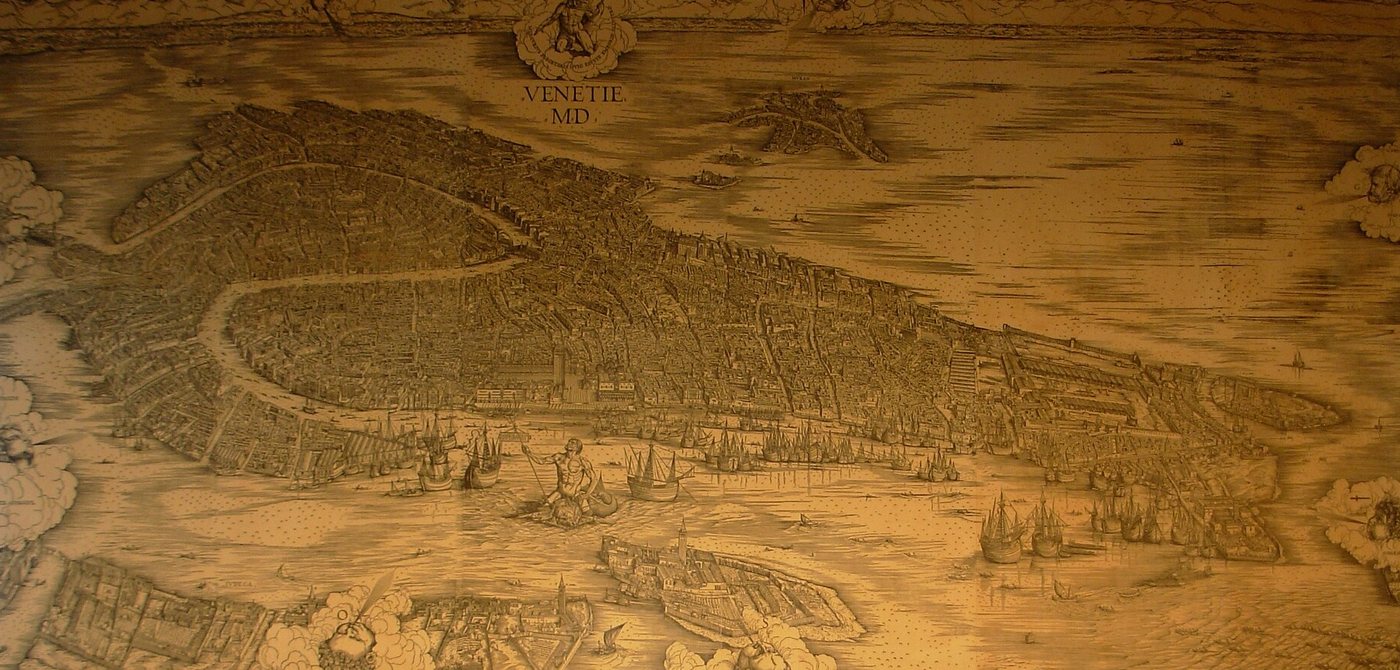

Italo Calvino published Invisible Cities in 1972. Marco Polo sits with an ageing Kublai Khan and describes the cities of the empire, fifty-five of them, each with a woman’s name. One hangs over an abyss on a net of ropes. In another, the inhabitants string threads between their houses to mark every relationship, and when the threads grow too thick to pass, they leave and build the city again somewhere else.
Late in the book the Khan points out that Polo has never described Venice. Polo answers that every city he has described says something about Venice.
Every report carries its home city
A model trained on what people wrote carries their home cities inside it. Ask one to describe a market in Lagos or a factory in Monterrey and part of the answer describes the places its training data talked about most.
Polo’s admission is a good habit for anyone reporting back from a place the listener cannot visit, people and machines alike. Before trusting a summary of an unfamiliar market, ask which home city shaped the describer.