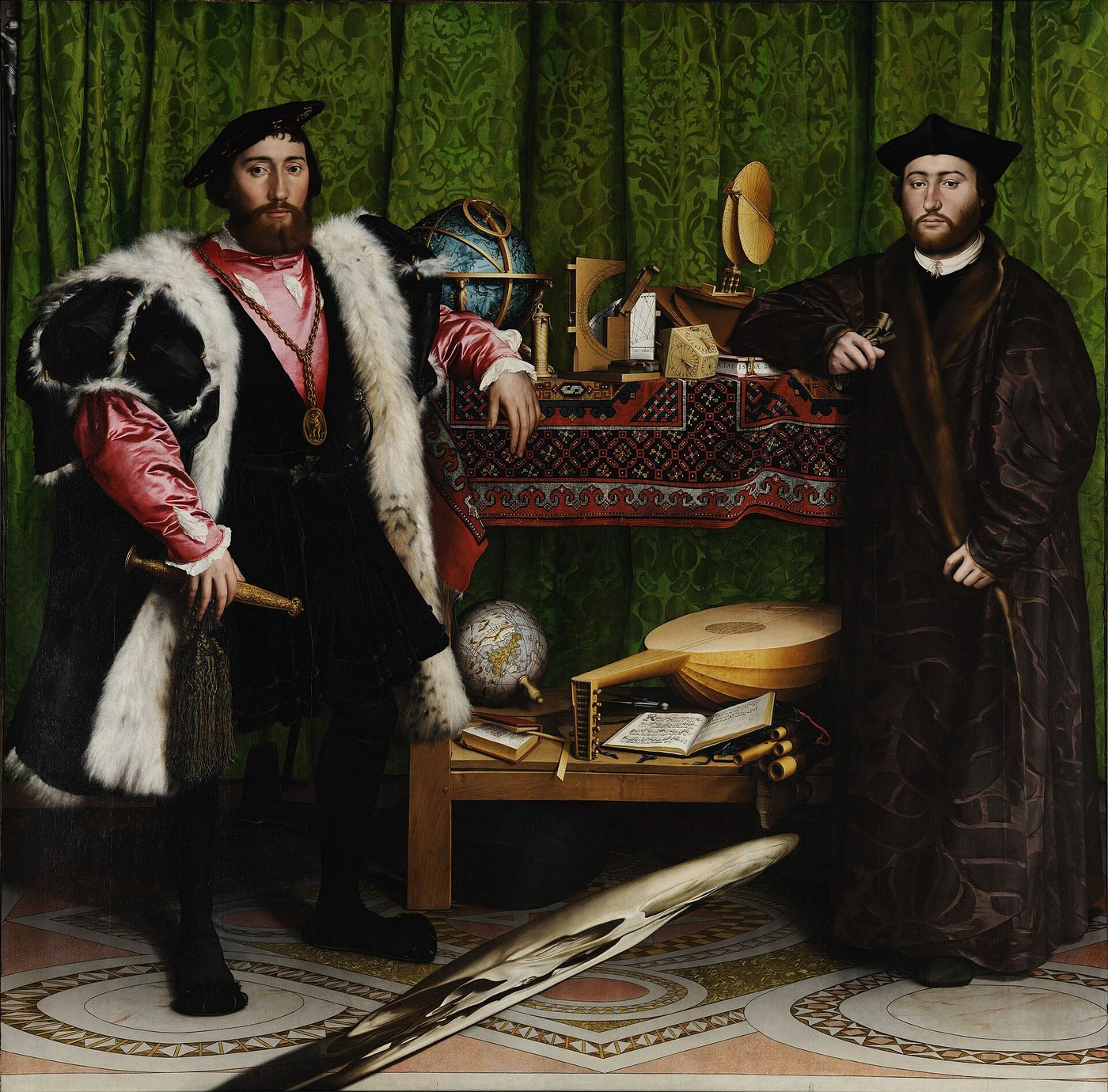

John Berger made Ways of Seeing as a BBC series in 1972 and turned it into a short book the same year. His argument starts with the frame. Where a picture hangs and what caption sits under it change what we think the picture says.
He showed it with the camera. A detail of a painting filmed up close becomes a different painting, and a reproduction placed next to an advertisement soon starts selling something.
An answer arrives framed too
A chatbot answer comes in clean paragraphs with headings and a confident tone. That formatting does a lot of persuading before anyone checks a single claim. Paste the same answer into a plain text file, without the bold and the bullets, and you read it more slowly and spot the weak step sooner.
The design work follows from Berger. Sources belong on the screen at the same size as the claims they support, and uncertainty should look uncertain, in grey or in a note in the margin, so the presentation stops vouching for content it never checked.